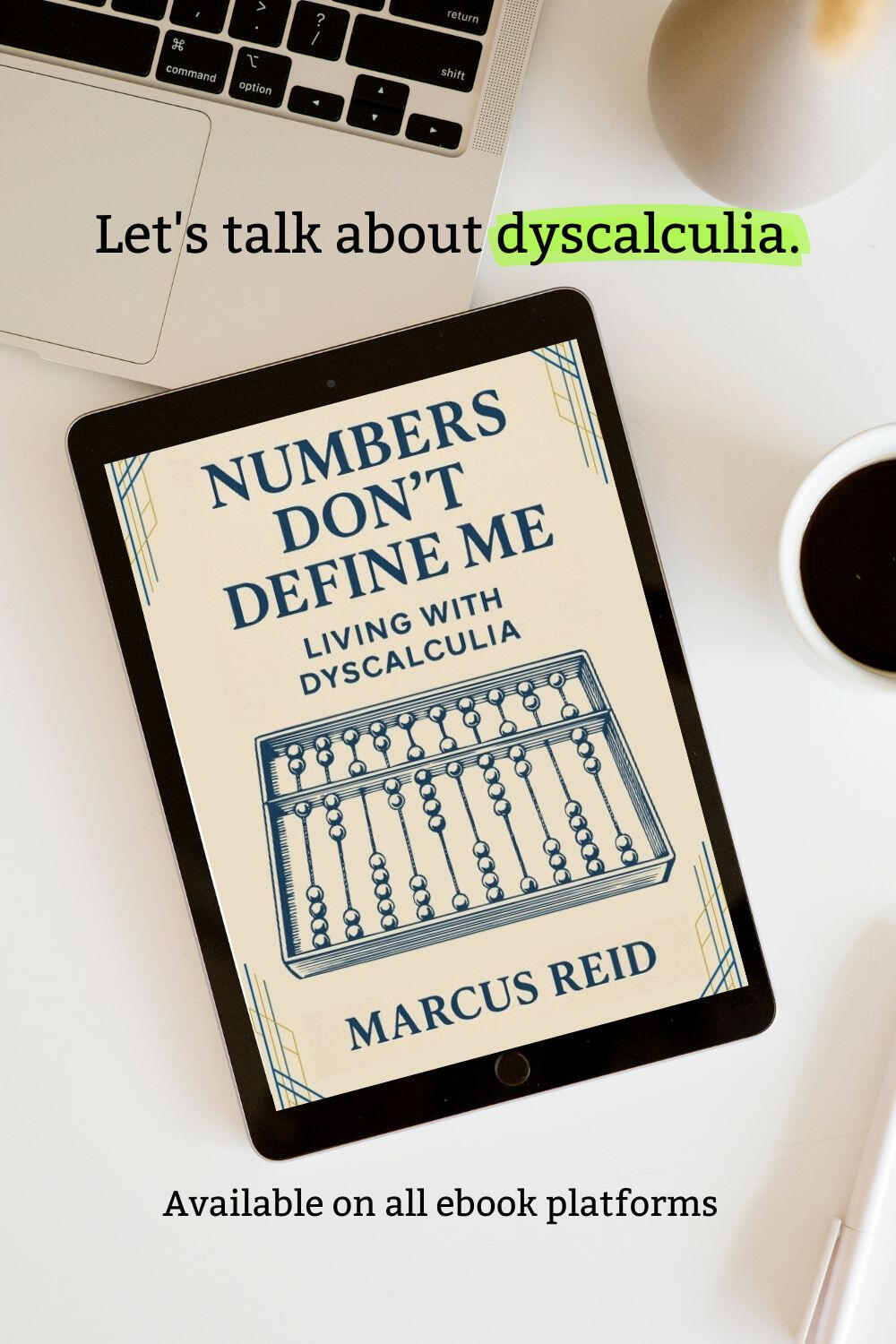
Do You Struggle With Numbers Despite Being Smart? You Might Have Dyscalculia.
Discover the hidden learning disability affecting millions of adults, and why understanding dyscalculia can transform your life, career, and relationships.
What Does Undiagnosed Dyscalculia Look Like?
You Are Chronically Anxious About Money Despite Good Income
You avoid checking your bank account, struggle with budgeting, and feel overwhelmed by financial planning. This isn't irresponsibility; it's how dyscalculia affects adults with number processing difficulties.
Your Career is Limited Due to Math Struggles
You've avoided promotions, switched careers, or ruled out entire fields because they required numerical skills. Undiagnosed learning disabilities in adults often create invisible career barriers.
You’re Always Ashamed About "Being Bad at Math"
You laugh off jokes about your math struggles while secretly believing you're not smart enough. Adult dyscalculia often comes with decades of internalized shame about learning differences.
You Have Trouble Managing Time and Reading Clocks
Reading analog clocks requires constant mental calculation. Estimating time feels impossible. These are classic dyscalculia symptoms in adults that most people never connect.
Your Relationship Strains Over Finances
Your partner handles all the bills and budgets by default. Dyscalculia in relationships creates this imbalance, often leading to resentment. But understanding the neurological basis can transform these dynamics.
You’re Exhausted From Masking Learning Disabilities
The constant effort to hide your struggles with numbers, measurements, and calculations drains your energy. Learning to accept and accommodate dyscalculia reduces this invisible burden.
What You'll Gain From This Dyscalculia Book
You Will Understand Your Brain: Learn the neuroscience behind dyscalculia in adults, common symptoms beyond just "being bad at math," and why learning disabilities often go undiagnosed until adulthood. Understand exactly how your brain processes numbers differently.
You Will Find Validation and Recognition: Recognize yourself in Marcus's story of shame, avoidance, and hidden struggles. Understand the anxiety and depression commonly accompany undiagnosed learning disabilities. These mental health challenges are legitimate responses to years of unexplained difficulty.
You Will Find Practical, Real-World Dyscalculia Strategies: Get specific strategies for financial management, time management, workplace accommodations, productivity tips, and daily living hacks that actually work for number-challenged brains.
You Will Address Your Mental Health: Process decades of internalized inadequacy. Understand the connection between undiagnosed dyscalculia and mental health struggles. Learn self-compassion practices specifically for adults with learning differences.
You Will Improve Relationship Communication: Get conversation scripts for disclosing your learning disability, explaining your needs, and building authentic relationships where you don't have to hide your struggles with numbers.
You Will Reassess Your Career Options: Learn how to request reasonable accommodations under the ADA, navigate numerical tasks at work, and design a career around your actual strengths instead of constantly compensating for dyscalculia.
You Will Find Comprehensive Resources: Access 11 detailed appendices including dyscalculia assessment information, recommended apps for number difficulties, conversation templates, advocacy resources, and action planning guides.
You Will Find Hope for Your Future: This isn't toxic positivity about "overcoming" disability. It's realistic hope about understanding yourself, getting appropriate support, and building a fulfilling life as a neurodivergent adult.
Who Should Read Numbers Don't Define Me?
Adults Who Suspect They Have Dyscalculia
If you've always struggled with math, time management, financial planning, and numerical tasks despite being intelligent in other areas, this book will help you understand whether dyscalculia might explain your lifelong difficulties.
Newly Diagnosed Adults With Dyscalculia
Processing an adult learning disability diagnosis brings complex emotions—grief, relief, anger, confusion. This memoir provides the roadmap for understanding what your diagnosis means and building a life that accommodates your neurodivergent brain.
Parents of Children With Dyscalculia
Supporting a child with learning disabilities requires understanding the emotional and psychological impact. Learn what your child might experience as they grow up, and how to prevent the shame and limitation Marcus carried for decades.
Educators and Employers Working With Neurodivergent Adults
Gain insight into the daily experience of dyscalculia from someone who lived it for 39 years without support. Understand what accommodations actually help and how to create inclusive environments for people with number processing differences.
Partners and Family Members of People With Dyscalculia
If someone you love struggles with numbers, finances, or time management in ways that strain your relationship, this book provides crucial context for understanding their neurological difference and building collaborative solutions.
What Readers Say About Numbers Don't Define Me
"I'm 47 and just discovered I have dyscalculia. Reading Marcus's story felt like reading my own life. For the first time, I understood I'm not stupid. I have a legitimate learning disability. This book changed everything."— Sarah M., Adult Dyscalculia Diagnosis at 45"I thought I understood dyscalculia until I read this memoir. Marcus's story revealed how deeply schools fail students with math learning disabilities. Every educator needs to read this."— James T., High School Math Teacher"My husband has dyscalculia and we didn't understand how it affected our relationship. Reading this together helped us build new financial systems based on Marcus's strategies. Our marriage is stronger now."— Rebecca K., Partner of Someone With Dyscalculia"My 8-year-old daughter was just diagnosed. This book showed me what her future could look like with early support instead of decades of shame. I'm so grateful for Marcus's honesty."— Jennifer P., Parent of Child With Learning Disability
About Marcus Reid
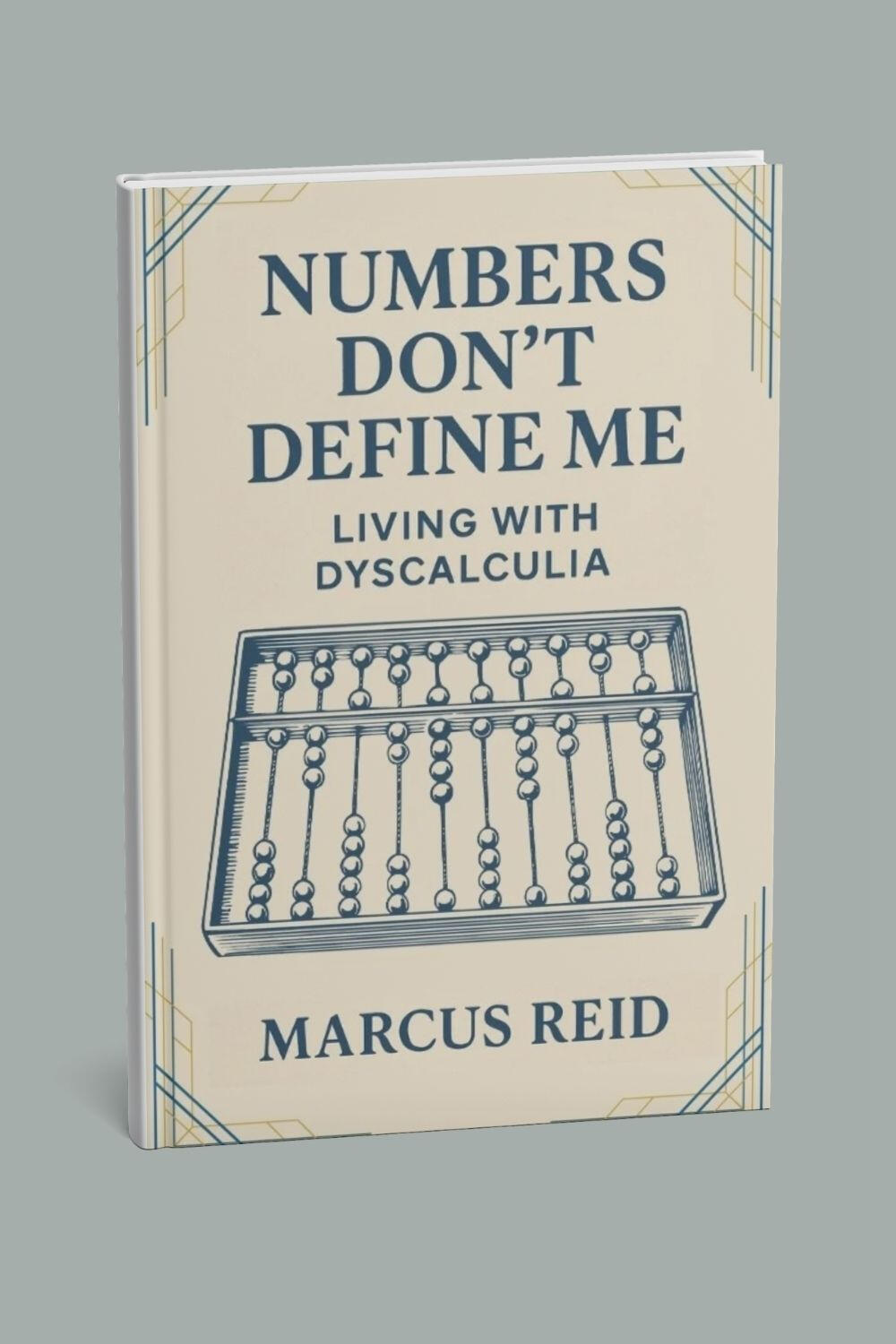
Marcus Reid is a neurodiversity advocate, marketing professional, and author who discovered he had dyscalculia at age 39 after his daughter's diagnosis.After three decades of believing his struggles with numbers meant he wasn't smart enough, Marcus's late learning disability diagnosis transformed his understanding of himself. He began the complex work of processing 39 years of unnecessary shame while building practical systems for managing dyscalculia in adult life.Today, Marcus advocates for better learning disability screening in schools, workplace accommodations for neurodivergent employees, and mental health support for adults with late diagnoses. He speaks regularly about neurodiversity in professional settings and mentors younger adults navigating careers with dyscalculia.Marcus lives in Portland, Oregon with his wife Rebecca and their two children. Numbers Don't Define Me: Living With Dyscalculia is his first book: an honest memoir combining personal story with practical resources for anyone affected by this common but often unrecognized learning disability.

Copyright © 2026